Electric Mobility Solutions
Power System Connectors for Next-Generation Electric Applications
Upcoming electric technologies throughout the military, aerospace, and commercial industries are going to revolutionize defense, passenger vehicles, and air travel in the coming decades.
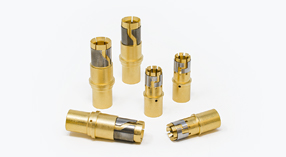
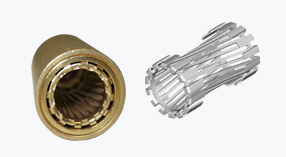
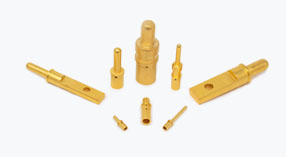
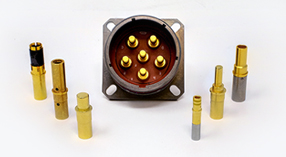
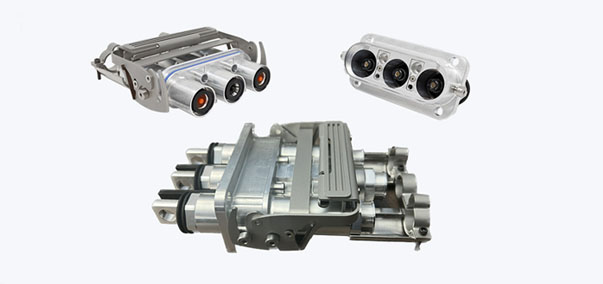
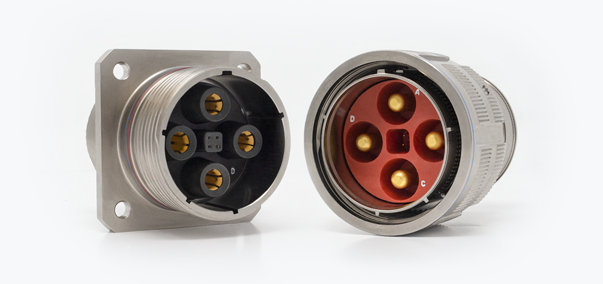
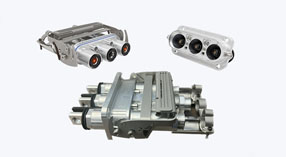
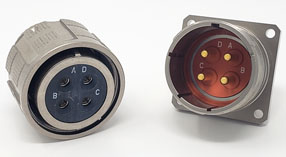
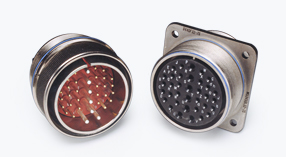
Amphenol Aerospace’s high-power and high-voltage connectors and contacts are designed to meet power requirements for even the most power-demanding electric platforms.

Electrification in Next-Generation Ground Combat Vehicles
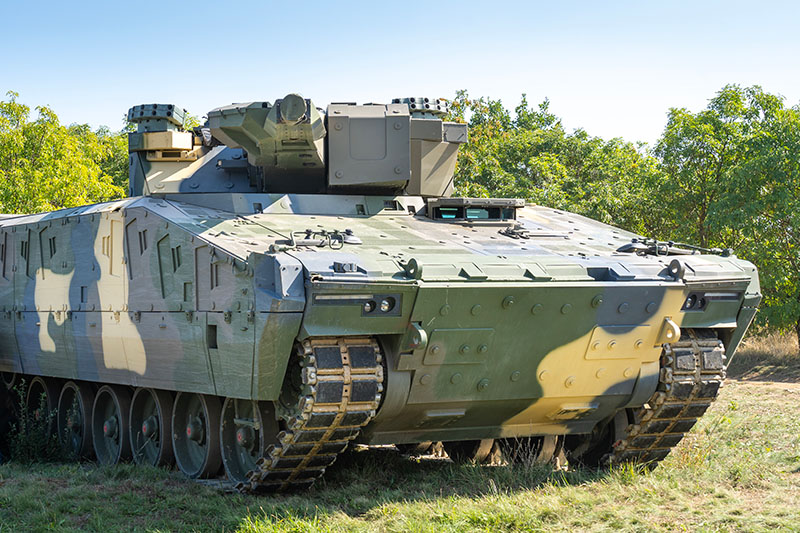
Whether it’s ground combat vehicles within the Next Generation Combat Vehicle (NGCV) family such as the XM30 Mechanized Infantry Combat Vehicle, which are purported to be designed with hybrid-electric capability; urban air mobility platforms such as electric vertical take-off and landing (eVTOL) aircraft, or electric and hybrid-electric rugged and commercial transportation vehicles, the internal combustion engine continues to be phased out in favor of electric propulsion.
Ground EVs and electric aircraft technology such as eVTOLs are expected to make major inroads in the coming years, with ground EVs already well along in their development and adoption. Militaries around the world have begun to invest in new electric and hybrid ground combat vehicle fleets, including pushing to retrofit existing internal combustion vehicles into hybrid-electric platforms. Meanwhile, trials are being conducted on the viability of eVTOL platforms for rapid transport across short to medium ranges.
.jpg)
It’s not just powertrains that are changing; military ground combat vehicle cabins continue to be outfitted with greater capabilities. For example, the addition of onboard computer systems, advanced sensors, and other onboard systems is transforming standard tactical vehicles into highly-networked mission platforms with advanced ISR capabilities.
The technology is moving fast. Amphenol offers reliable, high-powered interconnect systems for manufacturers seeking electrification and power solutions as this crucial innovation in transportation technology continues to evolve.
Directed Energy Weapons (DEWs)
.jpg)
Offensive and defensive military capabilities are evolving due to the revolution in power capabilities.
Advanced interconnect systems, along with high-power system architectures, high-efficiency power generation, thermal storage advancements, SWaP optimization, and modern beam-control technologies have allowed DEW applications to take shape following years of development.
Supplementing traditional kinetic capabilities on ground, naval, and airborne applications, DEWs can deliver high-heat photonic “rounds” at merely a few dollars per shot for powerful and cost-effective defense against airborne threats such as drones, missiles, and more. But significant power must be generated and delivered effectively for DEWs to deliver the precision heat required to strike their targets. Amphenol Aerospace offers the interconnect capabilities to ensure they do.
Future Naval Platforms Will Demand Greater, More Efficient Power Systems
%20Destroyer%20Concept.jpg)
Future naval platforms are being built around faster decision cycles, greater weapon range, and higher electrical and data demands than anything fielded today. Programs such as the DDG(X) next-generation destroyer, next-generation unmanned vessels such as USVs and UUVs, and emerging naval hypersonic launch platforms are accelerating power, thermal, and digital requirements upward across the fleet. These ships and launch platforms will carry advanced radar arrays, high-energy weapons, expanded sensor suites, and long-range strike capabilities that depend on high-power electrical architectures.
As these capabilities come online, the reliability and performance of the interconnect systems that link power distribution, fire-control networks, and shipboard computing will only become more critical. High-speed data pathways, hardened power connectors, and robust signal interfaces will form the backbone of next-generation naval combat systems. Amphenol power interconnect solutions are designed to support the electrical system architecture that will drive future naval capabilities.
Electrification Solutions require a Fast Charger
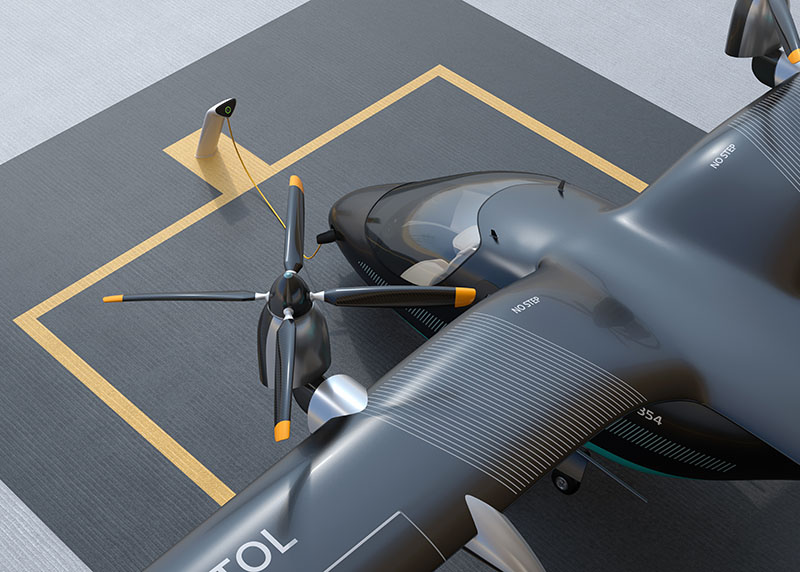
One of the central problems facing the mainstream adoption of EVs is the time it takes to charge them.
Current battery technology typically requires several hours to charge a standard multi-passenger electric vehicle without at least 40kw of power. This requirement is even higher for electric air systems and more energy-consuming hybrid-electric ground combat vehicles. This means high voltage charging systems are essential for the development of fast charging technology.
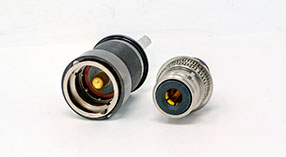
Amphenol offers several high current and high voltage connectors capable of megawatt charging applications such as the Voltarius high voltage 38999 interconnect, rated at 1,000 volts per direct current at sea level.
Electric Vehicle Safety
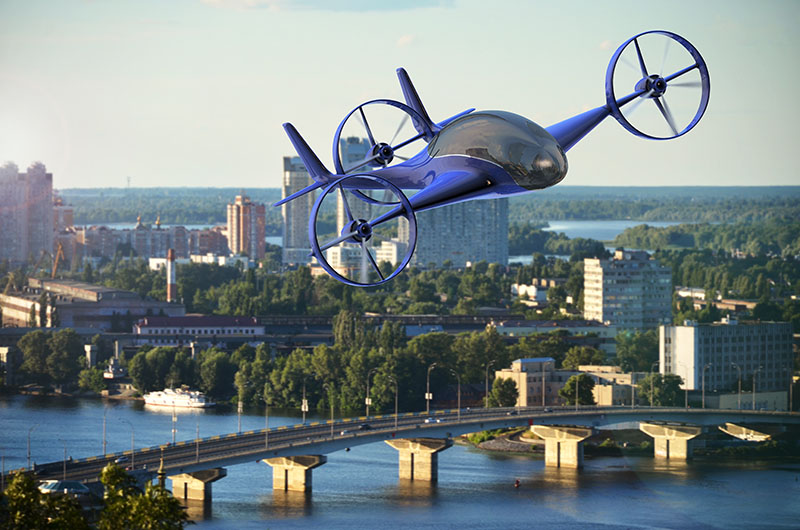
The immense power required to operate and charge electric vehicles requires careful safety considerations to avoid electrical faults, thermal events, and high-voltage phenomena like corona discharge.
One of the ways Amphenol connectors emphasize safety is through deeper pin engagement that interlocks deeper with the receptacle. This design increases creepage and clearance distances inside the connector and reduces the likelihood of corona formation, an important safeguard for high-power applications such as eVTOL aircraft.
Urban Air Mobility
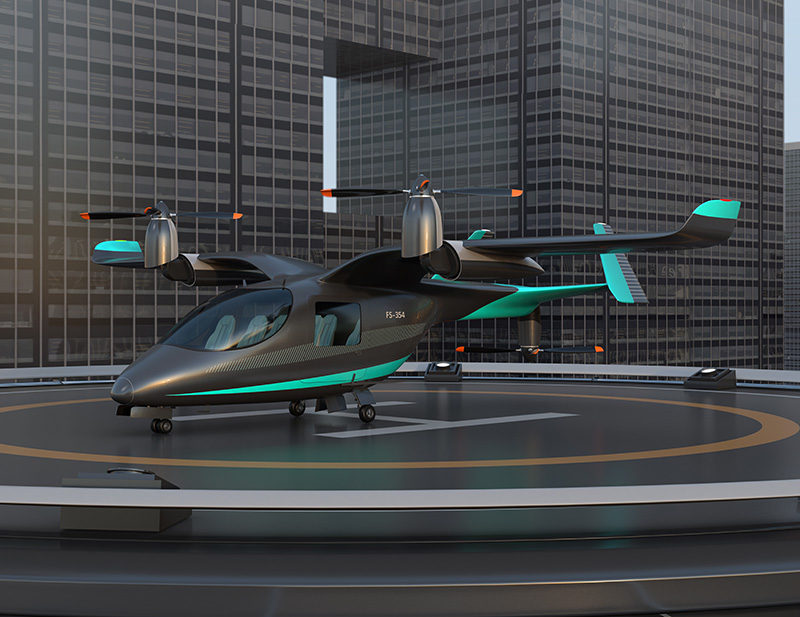
Urban air mobility and the deployment of eVTOL aircraft are slated to revolutionize travel through urban and regional landscapes in the near future.
Utilizing features such as vectored thrust, tandem wings and advanced multicopter designs, these revolutionary aircraft have unique electrical assemblies and power requirements that are aligned with the capabilities of Amphenol’s power interconnect systems.
The world is on the cusp of the electrification of everything, and a lot of power and voltage is required to achieve it. Engineered to accommodate high currents and voltages, Amphenol Aerospace power solutions play a pivotal role in enabling the electrification of vehicles, infrastructure, and beyond.
Electric Mobility Solutions
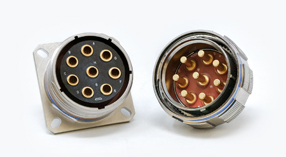
High Power Connectors

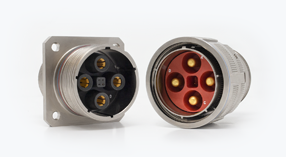
High Voltage Connectors
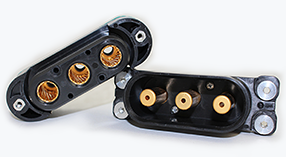
High Power Contacts