Lanyard Release/Quick Disconnect Connectors
Our MIL-DTL-38999 Series III and TV Breakaway Fail-Safe connectors are built for rugged weapons-release and other harsh-environment applications. MIL-DTL-5015 Matrix connectors with rear-release crimp contacts, environmental sealing, and high-power options are also available with lanyard release/quick-disconnect capability. For smaller, weight-sensitive systems, Amphenol’s 2M804 push-pull connectors bring quick-disconnect capability, EMI shielding, waterproof and dustproof performance, customizable separation forces, and up to 85 signals. Amphenol/Pyle-National T-Line Series push-pull connectors provide a space-saving subminiature cylindrical option, combining rugged construction, MIL-C-38999 Series III-qualified inserts, standard M39029 contacts, full-mating indication, and easy adaptation for lanyard-release applications.
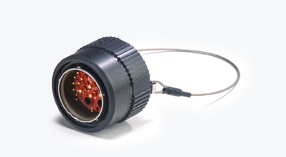
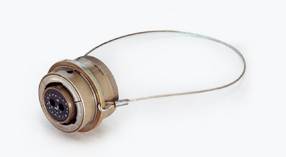
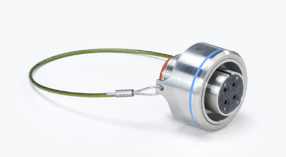
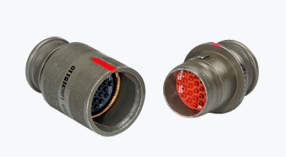
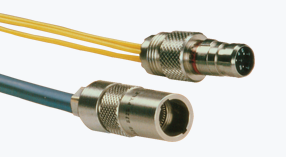
Lanyard Release/Quick Disconnect Solutions for Harsh Environments
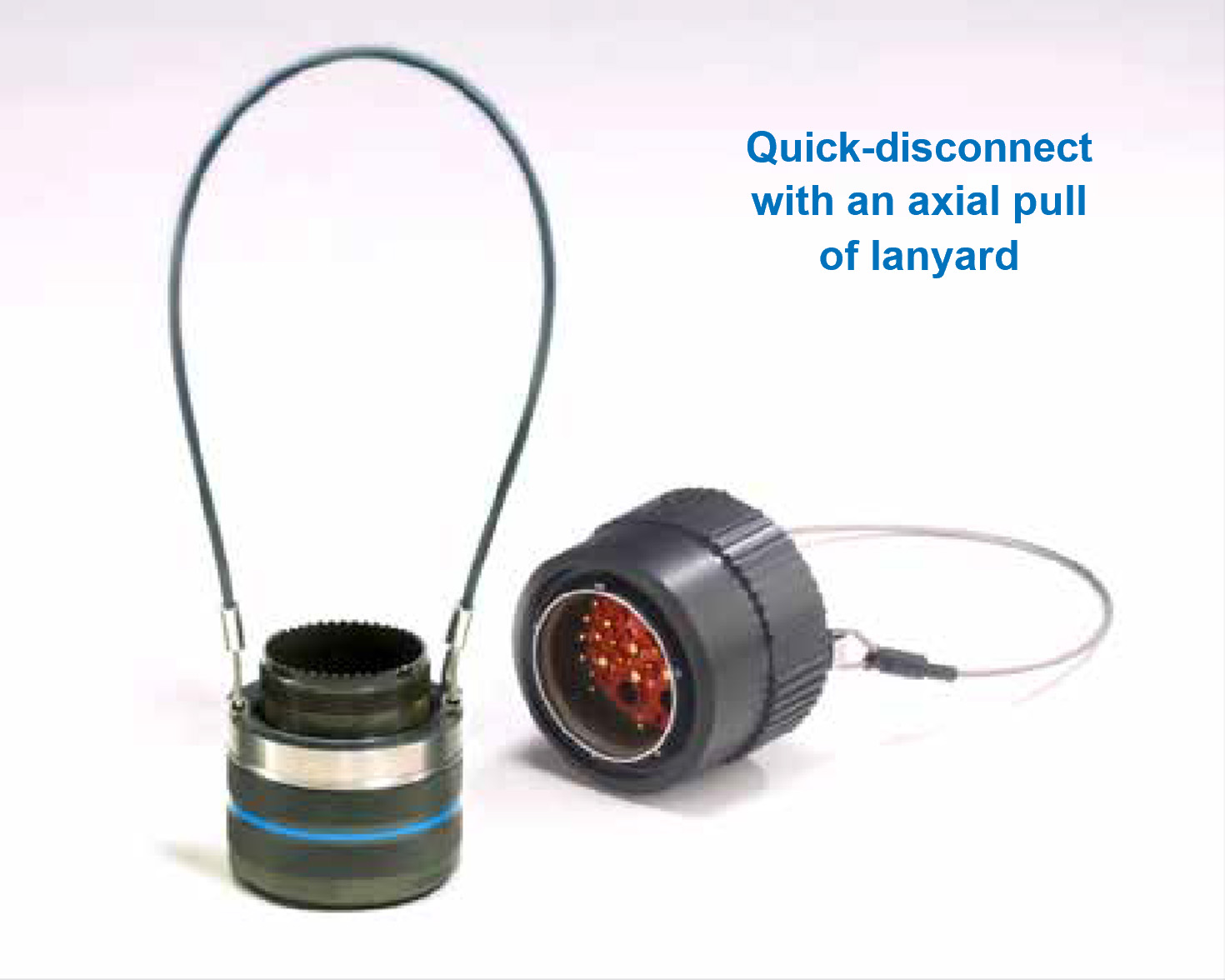
D38999 Series I/III Lanyard Release/Quick-Disconnect:
- Quick-disconnect and lanyard-release options for applications requiring fast mating, secure retention, and clean separation.
- MIL-DTL-38999 Series III-based solutions built for rugged military, aerospace, and harsh-environment applications.
- Breakaway fail-safe connectors support axial-pull lanyard release for weapons release, stores separation, and mission-critical disconnects.
- Available low-force separation capabilities for applications where predictable unmating is required.
- Compatible with existing D38999 receptacles, mil-spec backshells, and accessories.
- Commercial D38999/31-style options available with expanded insert arrangements beyond the standard mil-spec offering.
- Hybrid breakaway designs with metal shells and composite operating sleeves for reduced weight and improved durability after release.
- Tested for harsh operating conditions including random and sine vibration, ice resistance, fluid immersion, and hydrolytic stability.
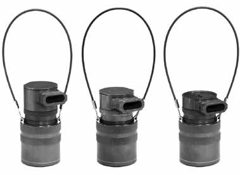
Matrix 5015 Breakaway Lanyards: |
|
2M804 Push-Pull Quick-Disconnect Connectors: |
|
T-Line Push-Pull Connectors: |
|

Many modern defense and aerospace systems require a connection that must remain secure until the exact moment it needs to separate. Amphenol Aerospace lanyard release and quick disconnect connectors are designed for these mission profiles. These quick-disconnecting electrical connectors are designed for applications where clean, instantaneous disengagement, and rugged connector reliability are imperative to performance and execution across land, sea, and air platforms.
Key Components for Weapons-Release Applications
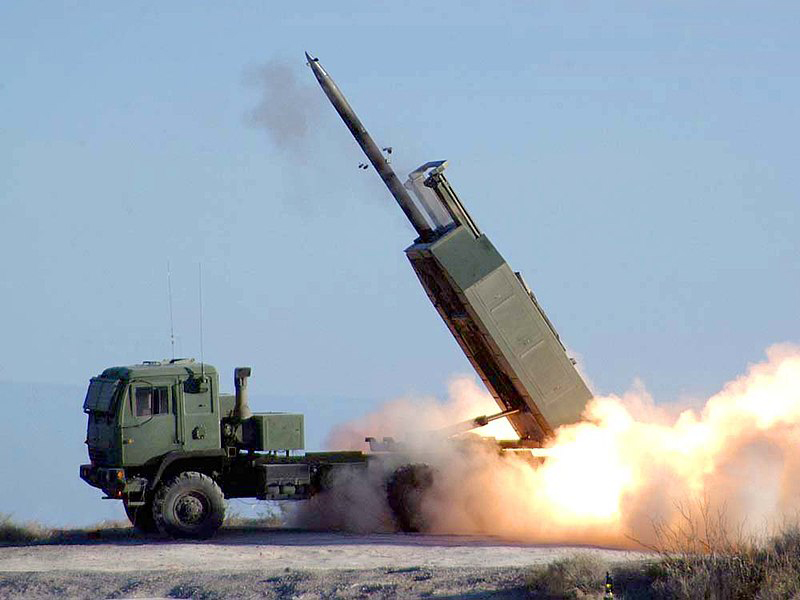
The lanyard release/quick disconnect family features D38999 Series III Breakaway Fail-Safe connectors and D38999 Series I LJT Breakaway connectors. These MIL-SPEC connectors feature quick-release lanyards that support weapons-release applications, high-stakes system and component separation where interconnects must perform cleanly under bruising mechanical and environmental conditions.
Designed for Flexible Integration and Shielding Needs
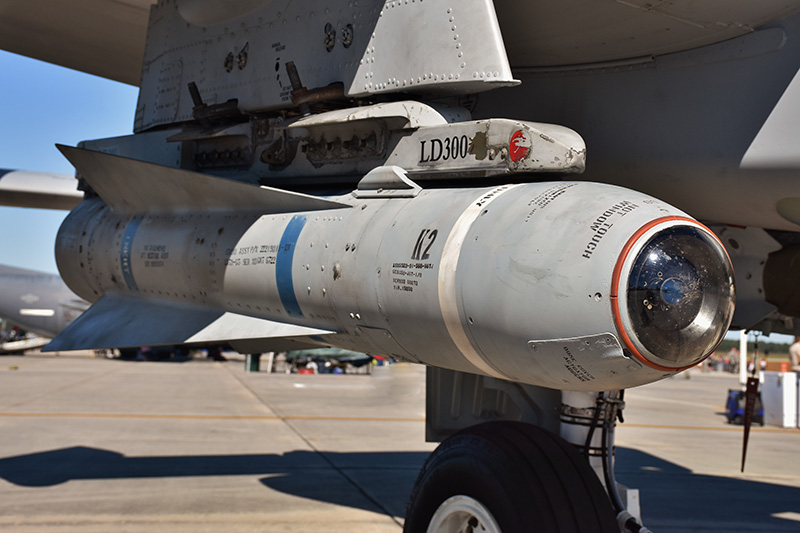
Available with rugged shell designs, lanyard release options, standard backshell compatibility, and contact configurations that support demanding interconnect requirements, Amphenol Aerospace lanyard release and quick-disconnect connectors give system designers flexibility without sacrificing performance. For applications where EMI/RFI protection is critical, compatible backshells and select D38999 configurations help support shielding, signal integrity, and mechanical reliability in dense system architectures.