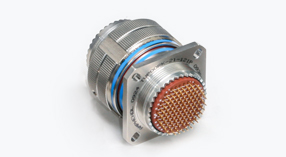
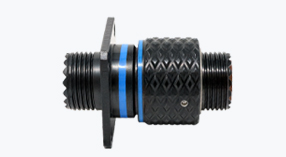
Robotics and Internet of Things (IoT)
Connecting the System Architectures of Advanced Robotics and Rugged Connected Devices
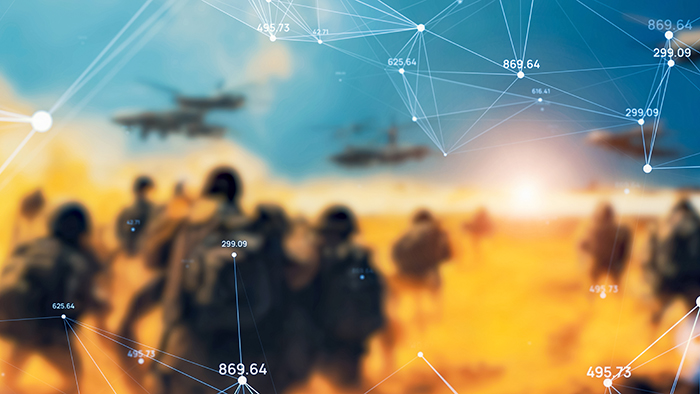
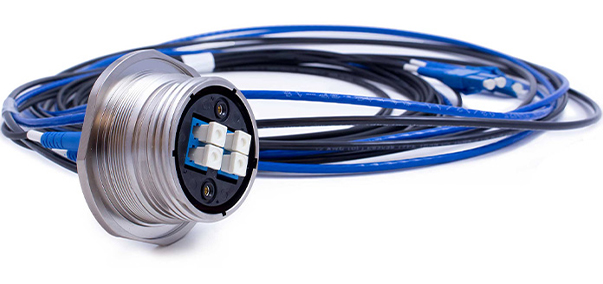
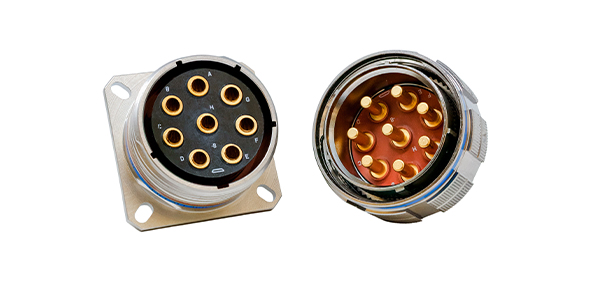
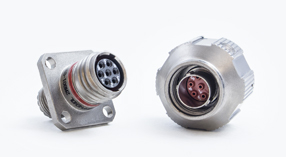
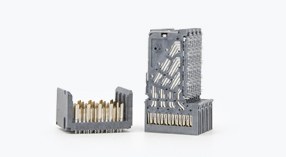
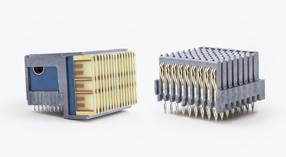
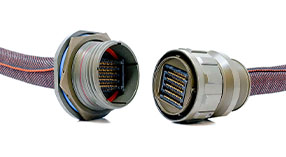
This new reality is driving a new class of autonomous platforms and distributed sensor networks built for higher data rates, greater electrical performance, and longer service life in harsh environments rife with shock and vibration, extreme temperatures, moisture and dust exposure, EMI, and demanding operation cycles. Amphenol provides harsh-environment connectors, contacts, and cable assemblies engineered to perform wherever robotics and connected devices operate, whether on the ground, at sea, or in the air. Our interconnect solutions ensure that warfighters utilizing next-generation defense robotics and IoT systems operate with confidence, certainty, and peace of mind knowing their systems are going to perform when the environment and the mission are at their most demanding.
Robotics and IoT Applications
Unmanned Robotics Systems and Autonomous Platforms
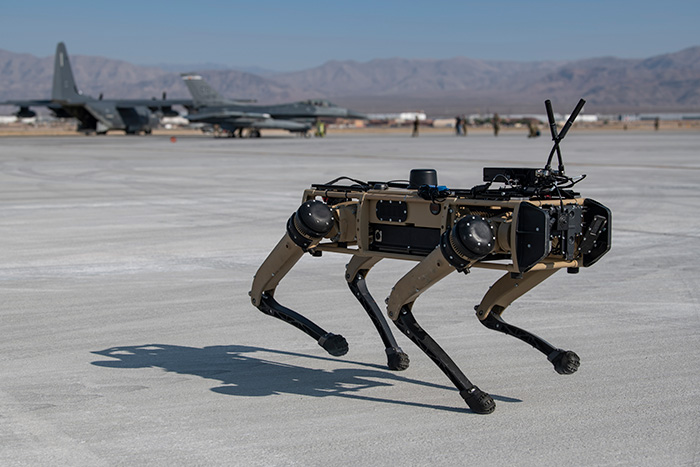
A groundbreaking leap forward is taking place in unmanned systems. The use of unmanned robotics platforms is expanding rapidly throughout applications across ground, air, and sea in everything from ISR, remote inspection, logistics support, and operations in environments that are too hazardous or demanding for manned systems.
These platforms and their operational benefits are fascinating, yet the systems are highly complex. System architectures in robotics systems must sustain reliable power and data connectivity across compact architectures where size, weight, and ruggedization requirements are uncompromising.
Interconnects used in unmanned systems must maintain power and signal integrity under sustained vibration, shock events, and repeated thermal cycling while resisting moisture, dust, salt exposure, and EMI. When it comes to sensor-heavy robotics systems such as propulsion and actuation applications, sensor payloads, onboard computing, and secure communications, a single weak link can compromise the entire platform. Dependable electrical performance is demanded.
Tactical Edge IoT and Distributed Sensing
%20compressed.jpg)
Distributed sensing and connected devices, such as ISR field assets, sensor networks, and edge nodes, are fundamental to the modern defense framework, providing an extension of situational awareness beyond traditional platforms. Within these systems, rugged IoT nodes, unattended sensors, and edge computing devices must push data reliably across power-constrained architectures and contested electromagnetic environments.
Interconnects in these systems must maintain signal integrity and dependable power delivery while resisting vibration, moisture, dust, and extreme temperatures. High-density connectivity supports compact device designs, while ruggedized termination and strain relief are necessary for sustainable system integrity for applications in the field or on the move.
Autonomous Logistics and Resupply Systems
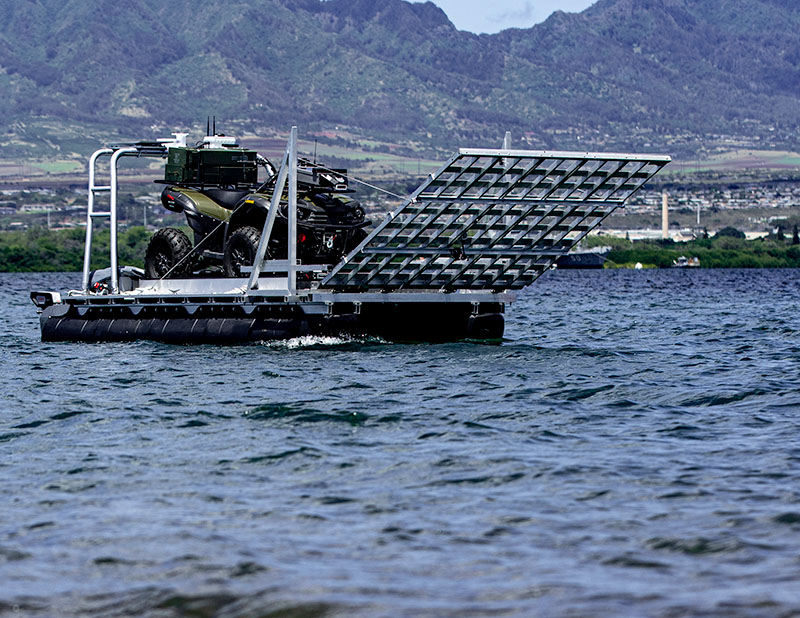
Autonomous logistics platforms are emerging as a force multiplier for moving supplies through challenging terrain and complex operational environments. These systems combine rugged mobility hardware with distributed electronics and sensors that must operate continuously under heavy duty cycles.
Connectors and cable assemblies on these platforms must withstand repeated shock loading, high vibration, contamination exposure, and frequent maintenance cycles. Critical system functions including drivetrain control, autonomy stacks, sensor integration, and secure communications all rely on reliable power distribution and stable data transfer delivered by the system’s interconnect architecture.
Human-Machine Teaming and Control Stations
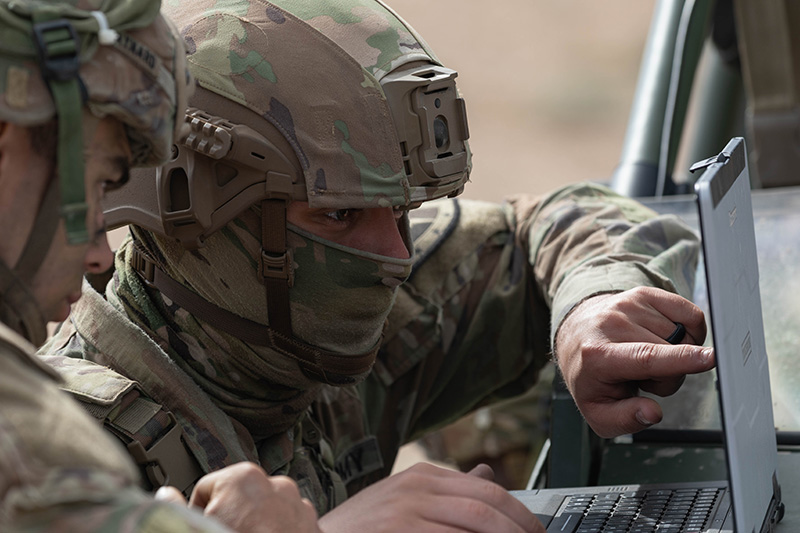
As autonomous systems expand, control stations and operator interfaces are evolving into data-intensive, high-reliability nodes that manage multiple platforms and sensor feeds in real time. These systems require robust interconnect architectures to support mission-critical communications, processing hardware, and display interfaces.
High-density, ruggedized connectivity supports increasing data rates and complex wiring architectures while maintaining reliability in operation. Dependable connectivity is essential for command authority, data integrity, and operator confidence in these applications.
Condition-Based Maintenance and Platform Health Monitoring
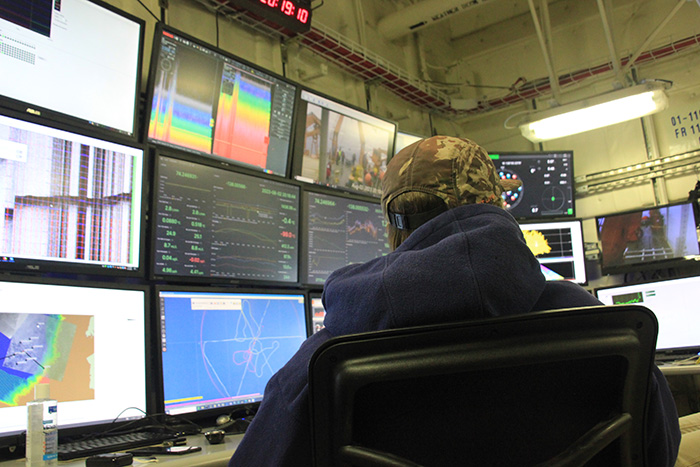
Condition-based maintenance is becoming central to readiness, helping operators detect wear, degradation, and failures before they impact mission capability. To ensure there’s never any surprises, rugged sensors and edge devices constantly monitor vibration, temperature, current, strain, and other indicators across aircraft, ground vehicles, and shipboard systems.
Interconnects supporting these architectures must deliver stable signal integrity and long service life under constant vibration, temperature extremes, and field maintenance cycles. Reliable connectivity ensures accurate data collection and dependable transmission from sensors to processing nodes. This means faster troubleshooting, smarter maintenance scheduling, and higher fleet availability.
Base, Depot and Installation Connectivity
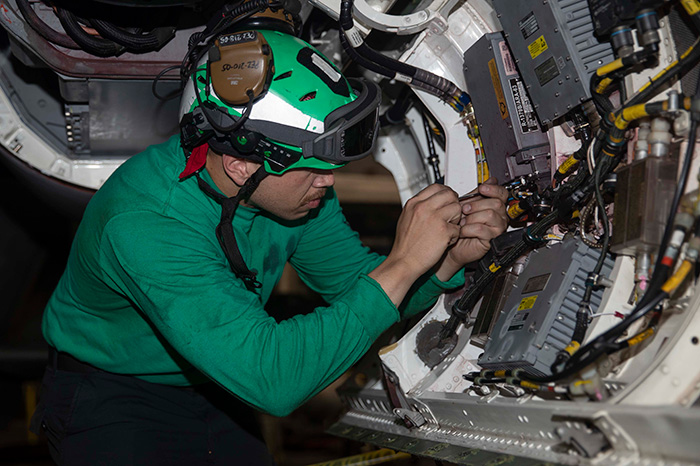
Connected infrastructure is expanding across hangars, depots, maintenance bays, and operational facilities to improve readiness and sustainment efficiency. These environments rely on a wide range of connected devices from instrumentation and test systems to security sensors and rugged network nodes, often operating in electrically noisy and high-traffic spaces. Interconnect solutions integrated into these platforms must support high mating-cycle durability, EMI control, and consistent electrical performance across dense wiring architectures.
The operational environments facing mission-critical robotics and IoT systems are unforgiving, but failure is not an option. Amphenol Aerospace interconnect solutions are the optimal choice for dependable connectivity in everything from autonomous platforms to distributed sensor networks that must operate under punishing conditions and demanding duty cycles.